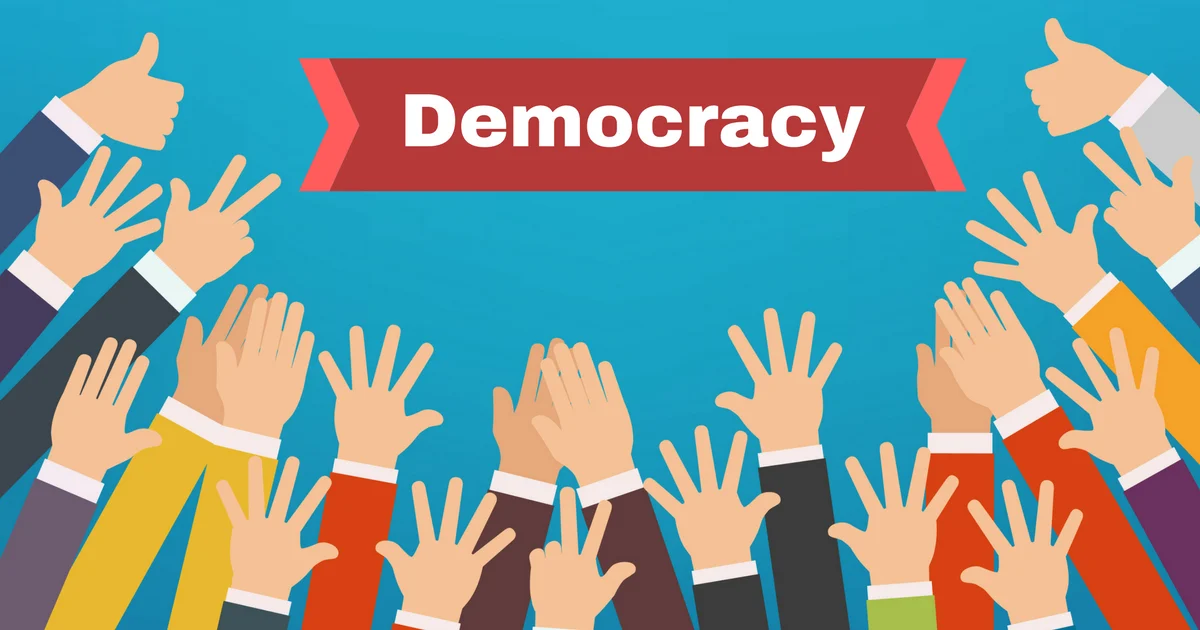
The word democracy is often associated politically with a form of governance. In the United States, people will often say “democracy is under attack” or they claim, “we need to protect democracy.” The problem is, the United States doesn’t have a democracy. We have a Constitutional Republic. Citizens elect representatives to make decisions according to their interests at either the state or federal level. Sometimes they do. Sometimes they don’t.
While democracy isn’t a thing in the U.S. Government, it is among too many leaders. As a leader of leaders, I see this problem a lot.
A person really doesn’t lead within a democracy. Democracy by definition is “rule by the people.” In a democracy, the power rests with the largest group of people who share interests, values, or agendas. By definition alone, the person who makes decisions based on the largest and loudest group of people they represent isn’t truly leading them. They’re just executing the wishes of the mob. It recently dawned on me that people with leadership titles and positions who make decisions based on what the largest group desires, isn’t really a leader, they’re just an executioner. They are fearful of making hard decisions on their own, so they ask the team. They’re afraid of making the wrong decision, so they ask the larger group. They lack the ability to think ahead, to be creative, and to take risks, so they place the risk on the shoulders of the largest group who decides for everyone else. This is a manager; a doer; an executioner, but not a leader.
Leaders are like coaches, they see what others don’t see. They help strengthen and improve what’s weak. They help fix what’s broken. A leader is able to identify where people are and they understand where they need to go, so they call those people towards that goal. When plans get disrupted and a decision has to be made, they might get feedback on alternative solutions, but they don’t wait for the consensus to get in on the new direction. They are able to think through the pros and the cons and they are able to make a decision that is best for the group as a whole, not just what the largest group wants. Some people think it’s common sense to just give the majority their way, but that’s not leadership because the majority might lead the entire group in the wrong way. It’s the leaders job to challenge the group when they want to settle. To be passionate about the decision they make so they can call everyone else to follow them towards it. Decision making by democracy is lazy. It’s a cop-out. It’s the easy path. You might as well say, “I don’t want to make the difficult decision, so YOU just tell ME what to do and I’ll follow YOUR lead.
We need strong leaders who are willing to make hard decisions; formulate the ‘Why’ behind their decisions; and passionately call their followers to take ownership of it.